Cold mornings in Perth have a way of reminding you exactly how much you pay to stay warm. If your old boiler is guzzling gas or oil and your bills keep creeping up, you’ve probably wondered whether there’s a better way. Good news there is! Air source heat pump installations in Perth are helping local homeowners cut running costs and enjoy steady, comfortable heat all year round.
But here’s the problem: most guides on this topic are packed with confusing terms and salesy promises. So let’s keep it simple. In this guide, we’ll explain what a heat pump actually is, how it works in cold Scottish weather, and how to tell if it’s right for your home.
What Is an Air Source Heat Pump?
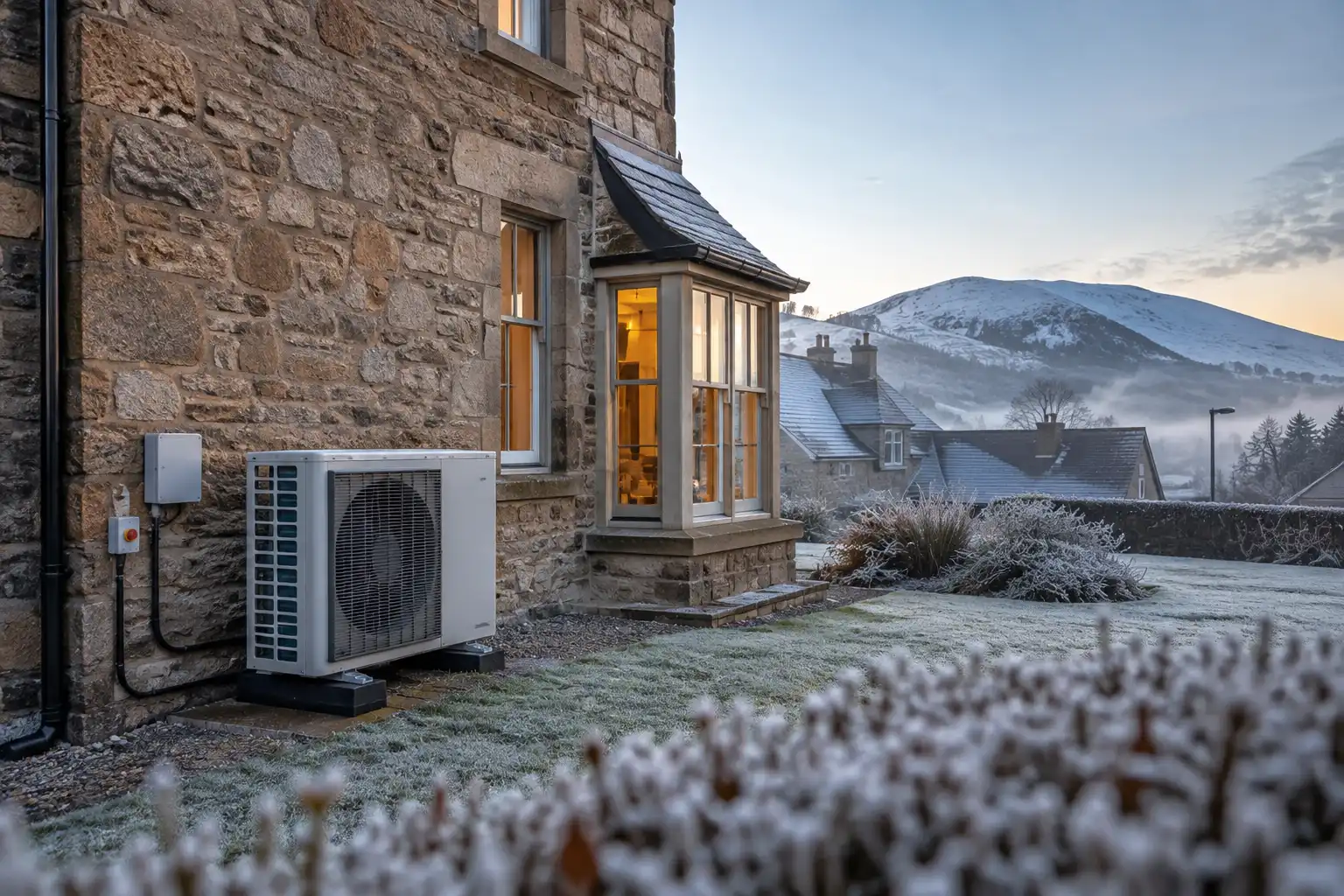
An air source heat pump is a unit that sits outside your home and pulls warmth from the air to heat your radiators, underfloor heating, and hot water. Think of it like a fridge working in reverse instead of removing heat, it collects it and moves it indoors.
The clever part? It doesn’t burn any fuel. It simply moves heat that’s already there. That’s what makes it one of the most efficient ways to warm a home, and a cornerstone of modern Renewable Energy Solutions here in Scotland.
How Does a Heat Pump Actually Work?
The process is straightforward once you break it down. Here’s what happens inside the unit:
- A fan draws in outside air, even when it feels freezing to you.
- A special refrigerant absorbs the heat from that air and turns into a gas.
- A compressor squeezes that gas, boosting its temperature.
- The hot gas passes its warmth to your heating and hot water system.
Because it’s moving heat rather than creating it from scratch, you get far more warmth out than the electricity you put in. That efficiency is where the real savings come from.
SCOP Explained in Plain English
You’ll see the term SCOP a lot when comparing systems. It stands for Seasonal Coefficient of Performance, but don’t let that scare you off. It’s really just a simple efficiency score measured across a full year of weather.
Here’s the easy version: a SCOP of 3.5 means the system is 350% efficient. For every 1 unit of electricity it uses, you get 3.5 units of heat back. Compare that to a gas boiler, which is usually around 90% efficient at best, and you can see why so many Perth homeowners are making the switch.
SCOP Across Different Climates
Weather affects performance, so here’s a rough guide to what you can expect in different conditions:
| Climate Type | Typical Outdoor Range | Expected SCOP | What It Means |
|---|---|---|---|
| Mild | 5°C to 15°C | 4.0 – 4.5 | Around 400–450% efficient |
| Temperate | 0°C to 10°C | 3.5 – 4.0 | Around 350–400% efficient |
| Cold / Scottish | -10°C to 7°C | 3.0 – 3.5 | Around 300–350% efficient |
Notice something? Even in the coldest Scottish column, you’re still getting three times more heat than the electricity you pay for. That’s genuinely impressive for our climate.
Do Heat Pumps Really Work in Scottish Winters?
This is the big myth we hear all the time: “It’s too cold in Scotland for a heat pump.” Let’s put that one to rest.
Here’s the science made simple. Heat exists in the air right down to -273°C. So even when your thermometer in Perth reads -10°C on a frosty January morning, there’s still plenty of ambient warmth for the pump to harness. Modern units are built specifically for cold climates and keep working reliably long after old assumptions suggested they’d struggle.
We’ve fitted these systems across Perth and central Scotland, and they perform beautifully through the worst of our winters. Well-designed Air Source Heat Pump Installations are matched carefully to your home so they deliver steady warmth even on the coldest nights.
Practical Tips for Getting the Best Results
Want your heat pump to run at its most efficient? A few smart choices make a huge difference:
- Insulate first. Loft and wall insulation keep the heat you generate right where you want it.
- Consider larger radiators or underfloor heating. Heat pumps run at lower temperatures, so bigger surfaces spread warmth more evenly.
- Run it steadily. Unlike a boiler, a heat pump likes gentle, consistent operation rather than big on-off blasts.
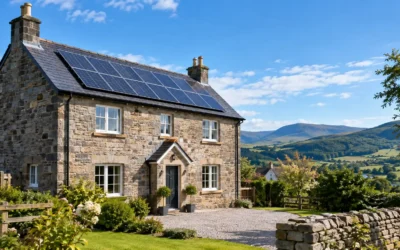
- Pair it with solar. Adding Solar Panel Installations can power your pump during daylight and push your running costs even lower.
Common Mistakes to Avoid
A heat pump is a fantastic investment, but only when it’s done right. Here are the slip-ups we see most often:
- Choosing a unit that’s too small or too big. Sizing must match your home, not a rough guess.
- Skipping a proper home survey. Every property is different, and a good design is everything.
- Ignoring servicing. Like any system, it needs care regular Heating System Maintenance keeps it efficient and protects your warranty.
- Using an installer with no local experience. Perth homes and Scottish weather need a team that truly knows both.
Why Choose Home Heating Services Scotland?
We’re a local team serving Perth and central Scotland, and we handle every job from start to finish with our own engineers. That means honest advice, no pushy sales tactics, and workmanship you can trust.
Whether you’re switching from an old system, exploring greener options, or comparing heat pumps with modern Boiler Installations, we’ll help you find the right fit for your home and budget. Our customers regularly praise our tidy, professional, and friendly approach and we’d love to add you to that list.
The Bottom Line
Air source heat pumps are efficient, reliable, and perfectly suited to Scottish homes cold winters and all. With a SCOP of 3 or more even in our climate, you get far more heat than the electricity you pay for. The key is a well-designed system fitted by a team that knows Perth inside out.
Frequently Asked Questions
Do heat pumps work when it’s below freezing?
Yes! Modern units keep pulling warmth from the air even at -10°C, so they run reliably through Scottish winters.
How efficient is an air source heat pump?
Very. A SCOP of 3.5 means 350% efficiency 3.5 units of heat for every 1 unit of electricity used.
Will I need to replace my radiators?
Sometimes. Larger radiators or underfloor heating help, but we’ll assess this during your free home survey.
Can I combine a heat pump with solar panels?
Absolutely pairing the two can slash your running costs by powering the pump during daylight hours.
How long does an installation take?
Most homes are completed within a few days, depending on your property and setup.
Ready to Make the Switch?
Warm home, lower bills, and steady comfort all winter that’s what a well-fitted heat pump delivers. Get in touch with Home Heating Services Scotland today for honest advice and a free quote tailored to your Perth home.