If you are thinking about upgrading your heating, it is easy to feel stuck between two options that sound similar but work in very different ways. In this guide, I’ll walk you through the difference between an Air source Pump and ground source heat pumps, so you can see which one suits your home, your space, and your budget.
What each system does
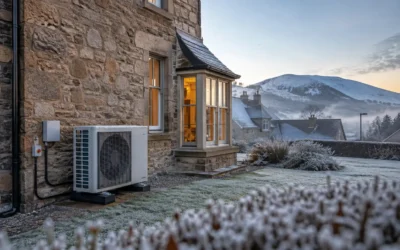
An air source heat pump takes heat from the outside air and uses it to warm your home and hot water. Even when the air feels cold, there is still heat available for the system to collect and move indoors. That is what makes an air source heat pump a practical choice for many homes in Perth.
Ground source heat pumps do the same general job, but they pull heat from pipes buried in the ground instead. Because the ground temperature stays steadier through the year, they can be very efficient. The catch is that they need more space outside and a bigger installation job.
Why the difference matters
The best system is not always the one with the biggest efficiency claim. It is the one that actually fits your property and how you live in it. If you have a smaller garden or want a simpler install, an air source heat pump may be the better match.
If you have a larger plot and are planning a long-term energy upgrade, ground source heat pumps can be worth looking at as well. They often need more work at the start, but they can deliver excellent performance once fitted properly. The right choice depends on your space, your budget, and how much you want to change your current heating setup.
Air source heat pump explained
An air source heat pump sits outside your home and draws in heat from the air. It then transfers that heat into your heating system and hot water tank. The process is straightforward, and once it is set up, it can provide steady comfort through the year.
For many homeowners, this is the easier option because it usually needs less outside space and less disruption during installation. It is a strong fit for homes in Perth that want a lower-carbon heating system without major ground works. That is why many people start here when they first look at heat pumps.
Ground source heat pumps explained
Ground source heat pumps use buried pipes to collect heat from the earth. The ground stays more stable than the air, so the system can be very reliable across the seasons. That often makes it appealing for homes with enough land to support the installation.
The trade-off is that the work is more involved. You need space for the pipe loops or boreholes, and the upfront cost is usually higher than an air source system. For the right property, though, ground source heat pumps can be an excellent long-term solution.
Which one suits your home
A simple way to think about it is this:
- Choose an air source heat pump if you want a more flexible install, have limited outside space, or prefer a simpler upgrade.
- Choose ground source heat pumps if you have more land available and want to invest in a system built for long-term efficiency.
- Choose air source if you want a quicker route into low-carbon heating.
- Choose ground source if you are happy to plan further ahead and take on a bigger installation.
For many homes in Perth, the air source route is the easier starting point. It gives you a modern heating system without needing major ground work. For larger rural properties, ground source can be a strong option if the site conditions are right.
What affects performance
There are a few things that matter more than the brand name on the brochure:
- Your home’s insulation.
- The size of your radiators or underfloor heating.
- The amount of outside space you have.
- Your hot water demand.
- How much change you want to make to your current system.
A heat pump works best when the rest of the home is ready for it. That means good insulation, a properly designed system, and an install plan that matches the property. If those parts are right, both air source and ground source systems can work well.
Practical tips before you decide
Before you choose, it helps to look at your home honestly:
- Check your outside space.
- Think about how much disruption you are comfortable with.
- Ask how your heating bills might change.
- Get advice on whether your current radiators are suitable.
- Consider whether you want a quicker install or a bigger long-term project.
An honest home assessment can save you from buying a system that looks good on paper but does not suit your property. That is especially important if you are replacing an older boiler and want a cleaner, more efficient setup.
Helpful insights
Do:
- Get a full property survey before making a choice.
- Ask about heat pump servicing and aftercare.
- Make sure your home is insulated properly.
- Compare installation needs as well as running costs.
Don’t:
- Assume the bigger system is always better.
- Ignore the space needed for ground source heat pumps.
- Forget about water cylinder and radiator suitability.
- Choose based on price alone.
Air source and ground source systems are both serious upgrades, so it pays to choose the one that fits your home rather than the one that simply sounds most advanced.
Why choose Home Heating Services Scotland
Home Heating Services Scotland offers heating and renewable energy services for homes in Perth and beyond, including boilers, heat pumps, plumbing, electrical work, and maintenance support. Their site also highlights over 20 years of combined experience, honest advice, and a customer-first approach, which matters when you are making a big heating decision.
If you are comparing an Air source Pump with other options, a local company that understands both heating and renewables can make the process much easier. You can explore their service range here: Home Heating Services Scotland. You can also see more about their wider support here: Home Heating Services Scotland Services.
Conclusion
An air source heat pump is often the simpler and more flexible choice, while ground source heat pumps can be the better long-term option for homes with more land and a bigger installation budget. The right answer depends on your property, your space, and how much change you want to make to your heating system.
If you are in Perth and want a practical route into low-carbon heating, the best next step is a proper home assessment. That way, you get advice based on your home instead of guesses, and you can choose a system that feels right for the long run.
FAQ
Is an air source heat pump enough for a typical home?
Yes, it can be, especially if your home is well insulated and your heating system is set up properly.
Are ground source heat pumps more efficient?
They can be very efficient because the ground stays at a steady temperature, but they need more space and a bigger install.
Do air source heat pumps work in cold weather?
Yes. They are designed to pull heat from outside air even when temperatures drop.
Which system is easier to install?
An air source heat pump is usually easier and less disruptive to install than a ground source system.
Can Home Heating Services Scotland help with heat pumps?
Yes. Their website shows renewable energy services alongside heating and maintenance support.