Solar PV panels, rooftop solar, home solar power, solar battery storage, inverter, generation meter, smart meter, export payments, Smart Export Guarantee, MCS certified installer, roof shading, south-facing roof, planning permission in Scotland, permitted development.
Solar Panel Installation starts with your roof and your goals
Solar Panel Installation is not just fixing panels to tiles. You pick a system size that matches your daily use. You check your roof, your shading, and your wiring. Then you set it up so it works safely for years.
You get the best results when you plan around your life. Do you use most power in the day or at night? Do you work from home. Do you run an electric shower, a tumble dryer, or an electric car charger. These details shape the design.
Energy Saving Trust explains that solar panels generate electricity from daylight and they still work on cloudy days. It also notes that a south-facing roof with little shade works best.
Know the basic parts before you choose anything
You do not need to be an engineer. You do need a clear picture of what you buy.
Solar panels and the mounting system
Panels sit on rails fixed to your roof. The rails spread the load and hold the panels in place in high winds.
A good installer checks roof condition first. If your roof needs repairs soon, fix that before the panels go up.
Inverter
The inverter turns the panel output into electricity your home can use. If the inverter fails, your panels stop powering your home.
Metering and export setup
You use the power you generate first. If you export extra electricity, you can get paid if you sign up for a tariff.
Ofgem explains that the Smart Export Guarantee pays small scale generators for electricity exported to the grid when criteria are met.
A quick reality check about savings
You save the most when you use your solar power in the day. If you stay out all day and use power at night, your savings drop unless you add a battery.
This is why you should look at your own routine. Check your smart meter app if you have one. If not, look at your bills and think about when you use the big appliances.
Energy Saving Trust gives a UK wide guide to solar panel costs and benefits, including typical installation costs for an average home system.
Step by step: what happens during Solar Panel Installation
A good installer follows a clear process. Energy Saving Trust has a step by step guide that covers what to expect from start to finish.
Here is the same process in plain language.
Step 1: survey and design
The installer checks your roof shape, direction, and shade. They measure space and plan panel layout. They also check your consumer unit and cable routes.
You should get a written design with system size and expected annual generation. Keep it simple. Ask them to explain the numbers.
Step 2: paperwork and permissions
Some homes do not need planning permission. Some do.
Home Heating Services Scotland has householder permitted development guidance. It covers when you can add items without applying for planning permission and it includes free-standing solar panels.
If you live in a conservation area or your building is listed, extra rules apply. Scottish Government guidance on householder permitted development rights includes specific limits for solar panels in conservation areas.
Step 3: installation day
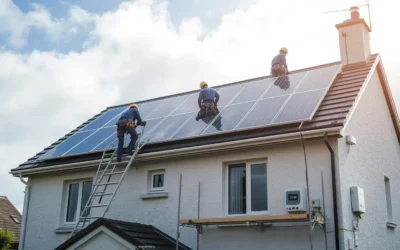
The team puts up scaffolding if needed. They fit roof hooks, rails, and panels. They run DC cables to the inverter and connect the system to your consumer unit.
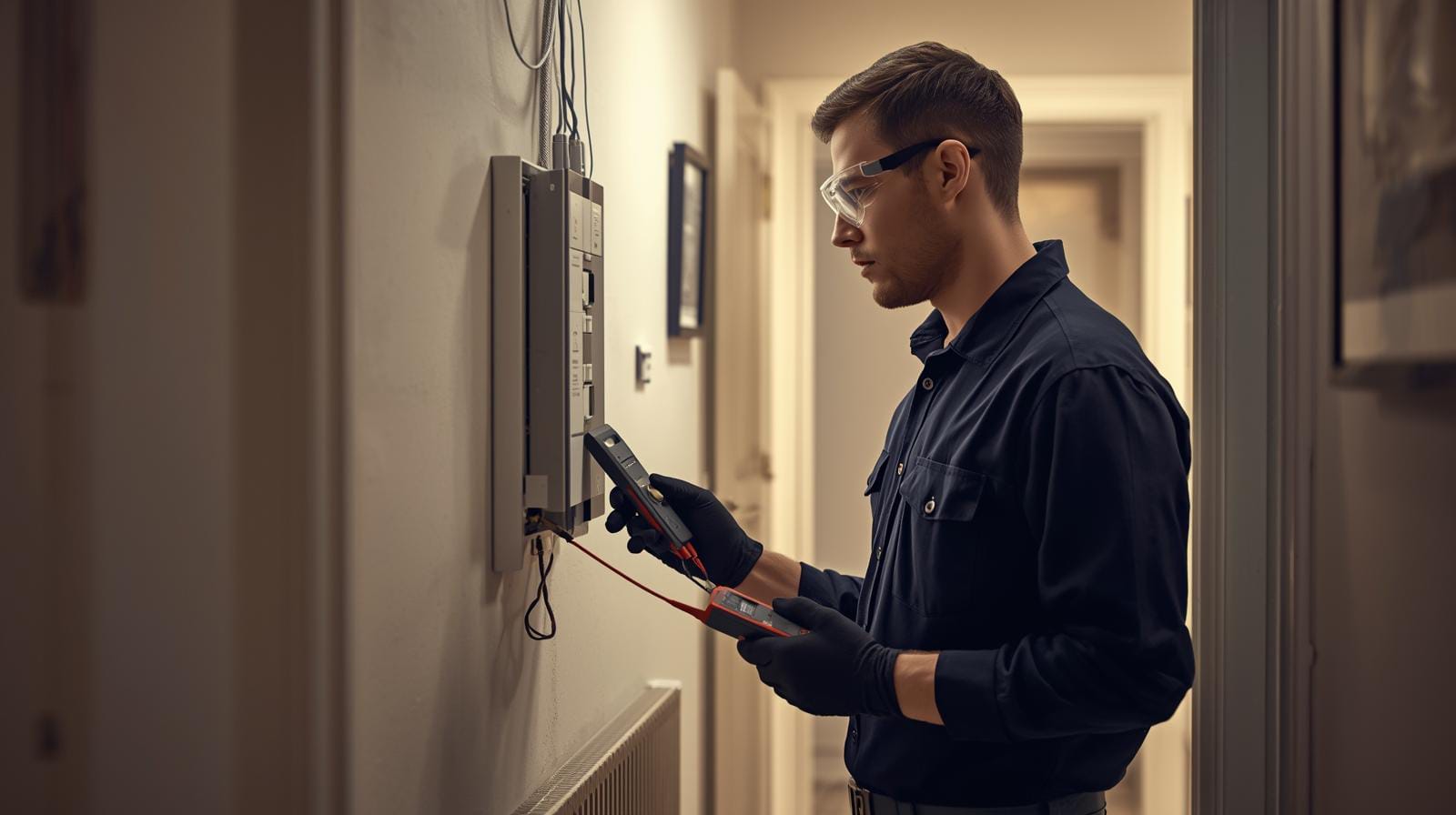
A qualified electrician tests the circuits. They label isolators and explain how to shut the system down in an emergency.
Step 4: commissioning and handover
Commissioning means the installer tests the system and confirms it runs as designed. You should get documents, warranties, and a clear guide to monitoring.
Take five minutes to learn the basics. Ask where the isolators are. Ask what normal inverter lights look like. Ask what to do if the inverter shows a fault.
Use MCS so you can access export payments
In the UK, many export tariffs require MCS certification.
The UK government Smart Export Guarantee guidance says you need to show your installation and installer are certified through MCS or an equivalent scheme to receive a SEG tariff.
MCS describes itself as the UK quality mark for small scale renewables like solar PV and it sets standards for certified installers.
If you want to check an installer, MCS provides a tool to find an MCS-certified installer in your area.
Get clear on the Smart Export Guarantee
People often think export payments happen automatically. They do not.
Energy Saving Trust explains that you need to sign up for a Smart Export Guarantee tariff and that large suppliers must offer at least one tariff.
Keep your expectations realistic. The tariff rate depends on the supplier. The value depends on how much you export. You control export by how much you use at home.
Safety and standards in Scotland
Your installer should treat the panels as part of the roof. That includes fire safety and weather performance.
Scottish building standards guidance states that solar roof panels should be regarded as forming part of the roof covering and they should resist ignition from an external source.
This matters most on older roofs or roofs with existing issues. If your roof has loose tiles, rotten timbers, or leaks, fix those first.
Maintenance is simple but not zero
Solar PV needs little day-to-day care. Home Energy Scotland notes that solar PV systems need little maintenance and it tells you to ask your installer for exact upkeep requirements.
You still do basic checks.
Look at your monitoring app once a week. If output drops sharply for no reason, call the installer.
After storms, look up from the ground. If you see broken tiles or lifted panels, do not climb up. Call a professional.
Clean panels only if dirt clearly blocks light. In many places rain does the job.
Batteries and hot water add-ons
A battery stores extra electricity for evening use. This can help if you do most cooking and laundry after work.
Some homes also add a device that sends extra electricity to heat water in a cylinder. This helps if you already have a hot water tank.
Do not add extras on impulse. Start with your usage pattern. Then decide if the extra cost makes sense for you.
Funding and support in Scotland
People often ask about grants for solar panels. The answer depends on the exact technology and scheme rules.
Home Energy Scotland’s Grant and Loan scheme page states that only solar PV T systems are eligible for funding. That is a combined system that produces electricity and heat. Standard solar PV panels do not qualify under that note.
If you feel unsure, speak to Home Energy Scotland first. Get advice before you sign a contract.
A practical story that matches many homes
You see a neighbour get panels and you get curious. You start looking at prices and you want a quick yes or no.
Here is what usually happens next. You look at your roof and you notice shade from a chimney or a big tree. You also notice you use most power at night. That changes the plan.
This is normal. A good Solar Panel Installation starts with your roof and your routine, not with a product list.
Where Home Heating Services Scotland fits in
If you want one place to keep your home upgrade notes, use Home Heating Services Scotland as your simple reference page. Keep your installer details, warranty dates, and export tariff info in one spot.
That way you do not hunt through emails when you need a document or a service call.
FAQs
How long does Solar Panel Installation take
Most homes finish in one to two days once the team starts work. The timeline grows if you need scaffolding, roof repairs, or a consumer unit upgrade.
Do solar panels work on cloudy days in Scotland
Yes. Energy Saving Trust says solar panels still generate electricity on cloudy days, just less than in bright sun.
What is the Smart Export Guarantee
Ofgem says it pays eligible small-scale generators for electricity exported to the grid. You need to sign up with a supplier to get paid.
Do you need MCS for export payments?
UK government guidance says you need MCS certification or an equivalent scheme to receive a Smart Export Guarantee tariff.
How do you check if an installer is MCS certified
Use the MCS find an installer tool and search your area.
How often do solar panels need maintenance
Home Energy Scotland says solar PV needs little maintenance. You still check monitoring and inspect from the ground after storms.
When do you replace the inverter?
Many homeowners replace it around the 10-year mark.
Are there grants for standard solar PV in Scotland
Home Energy Scotland notes that only solar PV T systems qualify under its Grant and Loan scheme page. Check current rules before you plan funding around it.