Heating a home in Scotland is not something you can ignore, especially during long cold months when your system is working every single day. Many homeowners are now looking for heating solutions that are not only reliable but also more energy efficient and environmentally friendly.
That is why more people are choosing Air Source Heat Pump Installations as a modern way to heat their homes. These systems offer a practical alternative to traditional heating methods while helping reduce energy use and improve year-round comfort.
At Home Heating Services Scotland, we have seen growing interest from homeowners across Perth and surrounding areas who want smarter and more sustainable heating systems. In this guide, you will learn how air source heat pumps work, why they are becoming popular in Scotland, and what you should know before choosing an installation.
What Are Air Source Heat Pumps?
An air source heat pump is a heating system that takes heat from the outside air and uses it to warm your home and hot water. Even when temperatures feel cold outside, there is still heat in the air that the system can collect and transfer indoors.
Instead of creating heat in the same way as traditional boilers, the heat pump moves existing heat from one place to another. This makes it a more energy-efficient option for many households.
How the system works
The process is simple in principle:
- The outdoor unit collects heat from the air
- The system transfers that heat into your home
- Warm water is circulated through radiators or underfloor heating
- Your home stays warm while using less energy
Modern air source heat pumps are designed to work well in colder climates, which makes them suitable for many homes across Scotland.
Why Air Source Heat Pump Installations Are Growing in Scotland
Many homeowners are rethinking how they heat their homes. Rising energy costs and growing awareness around energy efficiency have encouraged people to look at alternatives to older heating systems.
Lower running costs
One of the main reasons people choose an air source heat pump is the potential for lower energy use. Because the system transfers heat instead of generating it in the traditional way, it can operate more efficiently.
Over time, this may help reduce household heating costs, especially in homes with good insulation.
Better for the environment
Air source heat pumps are considered a more environmentally friendly heating option because they use renewable heat from the air. Many homeowners appreciate the chance to reduce the environmental impact of their heating system while still keeping the home comfortable.
Consistent home comfort
Unlike some traditional systems that create short bursts of heat, heat pumps are designed to provide steady and balanced warmth. This often helps create a more comfortable indoor temperature throughout the day.
Modern heating technology
Many homeowners simply want a more modern heating solution that fits the future of home energy use. Air source heat pumps offer a cleaner and more advanced approach to heating compared to older systems.
Is an Air Source Heat Pump Right for Your Home?
Not every property is exactly the same, so it is important to understand whether an air source heat pump is suitable for your home.
Homes with good insulation perform best
Heat pumps work most effectively in homes that hold heat well. Proper insulation helps the system maintain a comfortable temperature without unnecessary energy loss.
Space for the outdoor unit
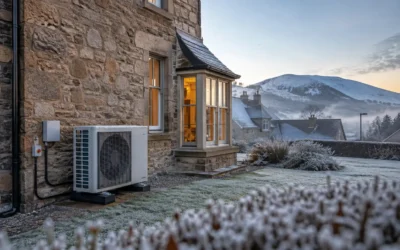
The system requires an external unit placed outside the property. This is usually installed in a garden, side access area, or another suitable outdoor space.
Suitable heating systems
Air source heat pumps can work with:
- Radiators
- Underfloor heating
- Hot water systems
In some homes, existing radiators may need adjustments or upgrades depending on the setup.
Professional assessment matters
Before installation, a heating engineer should assess your property carefully. This helps ensure the system is properly sized and suitable for your heating needs.
The Air Source Heat Pump Installation Process
A professional installation should always start with proper planning. Every property is different, so a one-size-fits-all approach rarely works well.
Step 1: Home assessment
The installer checks your property size, insulation levels, heating requirements, and current system setup. This helps determine the right heat pump for your home.
Step 2: System recommendation
Once the assessment is complete, the right system can be recommended based on your property and usage needs.
Step 3: Installation work
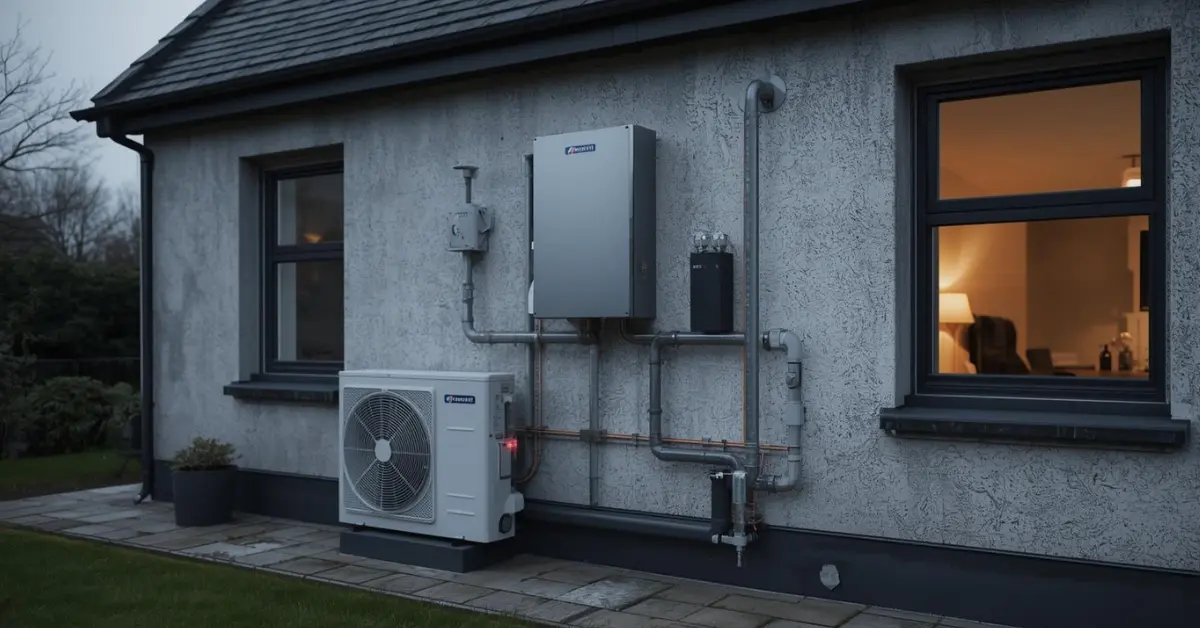
The outdoor unit is installed in a suitable location, and connections are made to the heating and hot water systems inside the home.
Step 4: Testing and setup
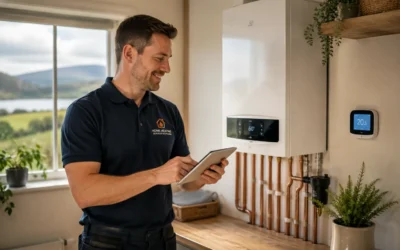
After installation, the system is tested to make sure everything is operating properly. The homeowner is then shown how to use the controls and settings.
Step 5: Ongoing maintenance
Like any heating system, regular servicing helps keep the heat pump working efficiently and reliably over time.
Benefits of Air Source Heat Pump Installations
There are several reasons why air source heat pumps continue to gain popularity across Scotland.
Energy-efficient heating
The system uses less energy compared to some traditional heating methods, which can help improve household efficiency.
Reliable year-round performance
Modern systems are designed to work even during colder weather, helping maintain reliable heating through Scottish winters.
Reduced carbon footprint
Many homeowners choose heat pumps because they want a heating system that is more environmentally responsible.
Quiet operation
Modern air source heat pumps are designed to run quietly, making them suitable for residential areas.
Long-term heating solution
With proper installation and maintenance, a heat pump can provide reliable heating for many years.
Common Questions Homeowners Ask
When people first consider a heat pump installation, they often have practical concerns about daily use and performance.
Will the house still feel warm in winter?
Yes, when properly installed and sized correctly, an air source heat pump can provide comfortable heating even during colder weather.
Does it replace a boiler completely?
In many homes, yes. Some systems fully replace traditional boilers, while others may work alongside existing heating setups depending on the property.
Is it expensive to install?
The initial installation cost can be higher than some traditional systems, but many homeowners focus on long-term efficiency, running costs, and future energy savings.
Does it need maintenance?
Yes. Regular maintenance helps ensure the system continues working efficiently and reliably.
Practical Tips for Getting the Best Results
A heat pump works best when the whole heating setup is properly looked after.
Do these things
- Keep your home well insulated
- Arrange regular servicing
- Learn how to use the thermostat properly
- Keep the outdoor unit free from debris or blockage
- Use consistent heating settings where possible
Avoid these mistakes
- Choosing the wrong system size
- Ignoring insulation issues
- Turning the system on and off constantly
- Skipping maintenance appointments
- Hiring inexperienced installers
A professional installation makes a major difference in how well the system performs over time.
Real-Life Style Example
Imagine a homeowner in Perth who is tired of rising heating bills and an ageing boiler that keeps needing repairs. The house still feels cold in certain rooms, and the heating costs seem to increase every winter.
After switching to an air source heat pump, the heating becomes steadier and easier to manage. The home feels more comfortable throughout the day, and the owner has greater confidence in the reliability of the system moving forward.
This is the kind of practical improvement many homeowners are now looking for when upgrading their heating systems.
Helpful Insights: Do’s and Don’ts
Do
- Get a professional home assessment first
- Ask questions about system sizing
- Improve insulation where possible
- Choose experienced installers
- Schedule regular servicing
Don’t
- Assume every system suits every property
- Ignore the importance of installation quality
- Focus only on short-term costs
- Delay maintenance checks
- Overlook long-term energy efficiency benefits
A heating system is a major part of your home, so making informed decisions matters.
Why Choose Home Heating Services Scotland?
At Home Heating Services Scotland, we understand that choosing a new heating system is a significant decision. You want something reliable, efficient, and suitable for your home long term.
Our team provides professional Air Source Heat Pump Installations across Perth and surrounding areas with a focus on quality workmanship, practical advice, and dependable service. We take the time to assess your property properly and recommend solutions that genuinely fit your heating needs.
We believe in straightforward communication, careful installation work, and helping homeowners feel confident about their heating choices from start to finish.
Conclusion
Air source heat pumps are becoming an increasingly popular choice for homeowners across Scotland who want modern, energy-efficient, and environmentally friendly heating solutions.
With the right installation and proper setup, these systems can provide reliable comfort, lower energy use, and long-term heating support for your home. They are not simply a trend. For many households, they are a practical step toward a more efficient future.
If you are considering Air Source Heat Pump Installations, working with experienced professionals can help ensure you get the right system and the best results for your property.
FAQ
How do air source heat pumps work?
They collect heat from the outside air and transfer it into your home for heating and hot water.
Are air source heat pumps suitable for Scotland?
Yes, modern systems are designed to work effectively even in colder Scottish weather.
Can air source heat pumps reduce energy costs?
They can help improve energy efficiency, which may reduce heating costs over time.
Do air source heat pumps require maintenance?
Yes, regular servicing helps keep the system running safely and efficiently.
How long does an air source heat pump installation take?
The installation time depends on the property and system size, but many installations are completed within a few days.