When a heating company talks about boiler installation services, they’re referring to the full process of replacing your existing boiler or fitting a new one with a modern, efficient unit. It’s not just swapping one box for another. A proper installation covers:
- Removing and disposing of the old boiler safely
- Supplying and fitting the new boiler in the right location
- Connecting it to your existing pipework and heating system
- Installing or upgrading controls and thermostats where needed
- Testing the full system before handing it over
- Registering the installation with Gas Safe and providing certification
Some installations are straightforward like-for-like swaps. Others involve a change of boiler type, a relocation of the unit, or upgrades to the pipework particularly in older Perth properties where the existing system hasn’t been touched in years. A good installer will scope all of this out before quoting, so there are no surprises on the day.
Choosing the Right Boiler for Your Home
This is where a lot of homeowners feel uncertain, and understandably so. There are several types of boilers on the market, and the right one depends on your property’s size, how many people live there, and the existing setup.
Combi Boilers
Combi boilers are by far the most popular choice for homes across Perth and Scotland. They provide heating and instant hot water from a single unit, with no need for a separate hot water cylinder or cold water tank in the loft. They’re compact, efficient, and well-suited to flats, smaller homes, and properties with one bathroom.
If your household doesn’t regularly need hot water running in two places at once, a Combi is almost certainly your best option. Modern Combi boilers are highly efficient many carry an A-rated energy efficiency rating which means lower running costs from day one.
System Boilers
System boilers work alongside a hot water cylinder, making them better suited to larger homes or households with higher hot water demand. If you’ve got two or more bathrooms and regular simultaneous usage, a system boiler gives you strong, consistent hot water flow without compromise.
They take up more space than a Combi but deliver better performance in the right setting. Your installer will recommend one if your property genuinely needs it not just because it costs more.
Regular (Heat-Only) Boilers
Also called conventional boilers, these older-style systems include both a hot water cylinder and a cold water storage tank. They’re less common in new installations but remain the right solution for some larger, older properties particularly where the existing pipework was designed around this setup and switching to a kombi would require significant additional work.
How the Boiler Installation Process Works
One of the most common concerns people have is simply not knowing what to expect on installation day. Here’s a clear, honest walkthrough of how it typically goes.
Step 1 Home Assessment and Quote A heating engineer visits your property, looks at your current system, checks the pipework and flue options, and asks about your household’s heating and hot water needs. You’ll receive a clear, itemized quote covering the boiler, all materials, labor, and disposal of the old unit.
Step 2 Choosing Your Boiler Your installer will recommend a specific make and model suited to your home. They’ll explain the efficiency rating, the warranty, and any relevant differences between options at various price points. You make the decision no pressure.
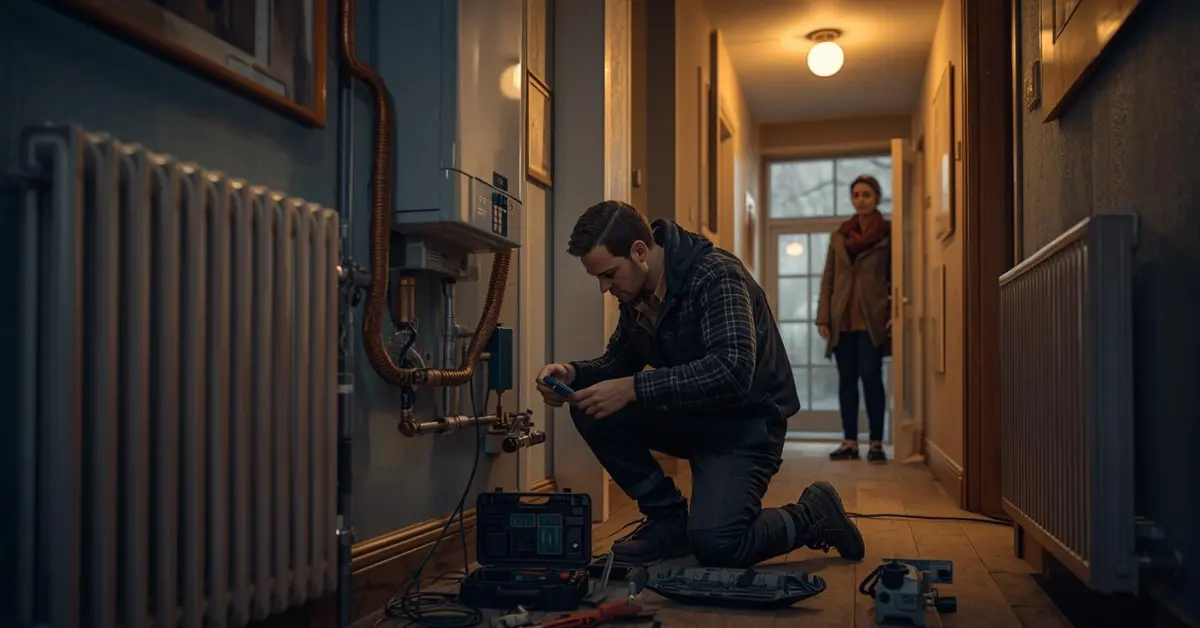
Step 3 Installation Day Most standard boiler installations take one to two days. The engineer removes the old boiler, fits the new one, connects it to your system, and installs or updates your controls. Everything is tested thoroughly before they leave, and any mess is cleared up.
Step 4 Handover and Certification You’ll receive a full walkthrough of your new boiler how to use the controls, what the pressure gauge should read, and what to check if anything doesn’t seem right. The installation is registered with Gas Safe, and you’ll receive your certification documents, which are important for your warranty and any future property sale.
Signs It’s Time to Replace Your Boiler
Not sure whether you actually need a new installation or just a repair? Here are the clearest signs it’s time to think about replacement:
- Your boiler is over 12–15 years old and needs regular repairs
- Repair quotes are starting to approach or exceed half the cost of a new unit
- Your energy bills have been rising without a change in how much you use
- The boiler struggles to maintain consistent temperature or pressure
- It takes noticeably longer for radiators to heat up than it used to
- You’re frequently losing hot water pressure or getting lukewarm water
Any one of these on its own might suggest a repair. Several together, or combined with age, almost always point to replacement being the more sensible long-term investment.
Helpful Tips, Do’s and Don’ts
Do:
- Get two or three quotes before committing not just on price, but on what’s included and what boiler is being recommended
- Ask specifically about the warranty on both parts and labor most quality boilers carry warranties of 5 to 10 years
- Ask whether a power lush is recommended before the new boiler goes in fitting a new boiler onto a sludge-filled system reduces efficiency and shortens its life
- Make sure your installer is Gas Safe registered check their details on the official Gas Safe Register before any work starts
Don’t:
- Let anyone fit a gas boiler who isn’t Gas Safe registered this is a legal requirement, not a preference
- Choose the cheapest quote without understanding what it covers a low price sometimes means an older or lower-efficiency boiler model, which costs you more in running costs over time
- Skip the system flush to save money upfront it’s a false economy that affects performance from day one
- Forget to register for your manufacturer warranty most require online registration within a set period after installation
Common mistakes to avoid:
Going straight for the most powerful boiler available. Bigger doesn’t mean better when it comes to boilers. An oversized boiler short-cycles it heats up and shuts down too quickly which reduces efficiency and puts more wear on the components. Your installer should size the boiler correctly for your property.
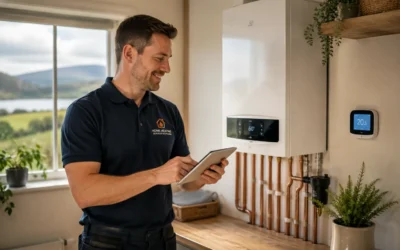
Not asking about smart thermostat compatibility. A new boiler is a great opportunity to upgrade your controls at the same time. Smart thermostats allow you to manage your heating remotely and can deliver noticeable savings on your bills with minimal effort.
Putting off the decision until the boiler actually fails. Emergency replacements are almost always more expensive and more stressful than planned ones. If your boiler is on the way out, acting before it fully fails gives you time to make a considered choice rather than a rushed one.
Why Choose Home Heating Services Scotland
Home Heating Services Scotland has been providing boiler installation services to homeowners across Perth and the wider Scottish region for years, and their approach is built on something straightforward do the job properly and treat people honestly.
They’ll assess your home thoroughly before recommending anything. If a repair is genuinely a better option for your situation, they’ll tell you that. If a replacement makes more sense long-term, they’ll explain exactly why and give you a clear breakdown of costs and expected savings. No hard sell, no inflated quotes, and no corners cut on the installation itself.
Every engineer on their team is Gas Safe registered, experienced across all major boiler brands, and comfortable working in the full range of Perth properties from modern builds to period homes with older pipework setups. You’ll also get full documentation, warranty registration support, and a team you can actually call if a question comes up after the job is done.
Conclusion
A properly installed, energy-efficient boiler is one of the most impactful things you can do for your home’s comfort and running costs. Whether you’re replacing an ageing system or upgrading to something more capable, the key is getting the right boiler for your property and having it fitted by people who know what they’re doing.
Professional boiler installation services in Perth don’t have to be complicated or stressful. With the right installer alongside you, the whole process from assessment to handover is clear, well-managed, and leaves you with a heating system you can genuinely rely on.
Home Heating Services Scotland is ready to help you make that happen properly, honestly, and with your home’s long-term comfort in mind.
Frequently Asked Questions
How long does a boiler installation take?
Most standard installations are completed in one to two days, though more complex jobs involving pipework changes may take a little longer.
What type of boiler is best for a home in Perth?
It depends on your property size and hot water demand Combi boilers suit most smaller to mid-sized homes, while system boilers work better for larger households with higher demand.
Do I need a Gas Safe registered engineer to install a boiler?
Yes, absolutely it’s a legal requirement in the UK. Always verify your engineer’s Gas Safe registration before any work begins at gassaferegister.co.uk.
Will a new boiler reduce my energy bills?
In most cases, yes. Modern A-rated boilers are significantly more efficient than older models, and lower running costs typically follow especially if the old boiler was over 10 years old.
What happens to my old boiler?
Your installer will remove and dispose of it safely as part of the installation service you don’t need to arrange anything separately.