When your heating works properly, it is easy to take it for granted. The house stays warm, the radiators heat up quickly, and your hot water is there when you need it. But when things start to slow down, make odd noises, or cost more to run, it quickly becomes a problem you cannot ignore.
That is where Heating System Maintenance Services in Scotland make a real difference. Regular maintenance helps you keep your heating system in good condition, catch small issues early, and avoid the stress of unexpected breakdowns. It also gives you a better chance of keeping your energy bills under control, which matters even more during colder months.
At Home Heating Services Scotland, we understand how important it is to have a heating system you can rely on. In this guide, we will explain what heating maintenance involves, why it matters, and how it can help you save money while keeping your home comfortable all year round.
What Heating System Maintenance Means
Heating system maintenance is the regular care your heating setup needs to keep working safely and efficiently. It is not just about fixing something when it breaks. It is about checking the system properly, spotting wear and tear, and making sure everything is running as it should.
A well-maintained system usually works more smoothly, uses less energy, and is far less likely to let you down when you need it most.
What is usually included?
Heating maintenance can include a range of checks and services, such as:
- Boiler inspection and servicing
- Pressure checks
- Radiator and thermostat checks
- Leak detection
- Flue and safety checks
- Cleaning and performance checks
- Advice on how to improve efficiency
The exact service can depend on the property and the type of system you have, but the aim is always the same: keep your heating system safe, reliable, and efficient.
Why Heating Maintenance Matters in Scotland
Scotland’s climate can be hard on heating systems. Long cold spells, damp weather, and heavy use during winter all put pressure on boilers, pipes, radiators, and controls. If your system is already struggling, this is when problems often show up.
Regular maintenance helps you stay one step ahead.
It helps prevent breakdowns
One of the biggest benefits of heating system maintenance is prevention. A small fault today can turn into a major repair later if it is left alone. Regular checks help spot those issues early, before they become expensive or disruptive.
It supports better energy efficiency
A system that is working properly does not need to work as hard. When your boiler, radiators, and controls are in good shape, your heating can run more efficiently. That often means less wasted energy and lower running costs.
It keeps your home more comfortable
Poor maintenance can lead to cold spots, uneven heating, low pressure, or systems that take too long to warm up. With proper care, your heating is more likely to work evenly and reliably across your home.
It gives you peace of mind
Knowing your system has been checked by a professional can take a lot of pressure off your shoulders. You are not left wondering whether a problem is brewing behind the scenes.
How Heating System Maintenance Services Work
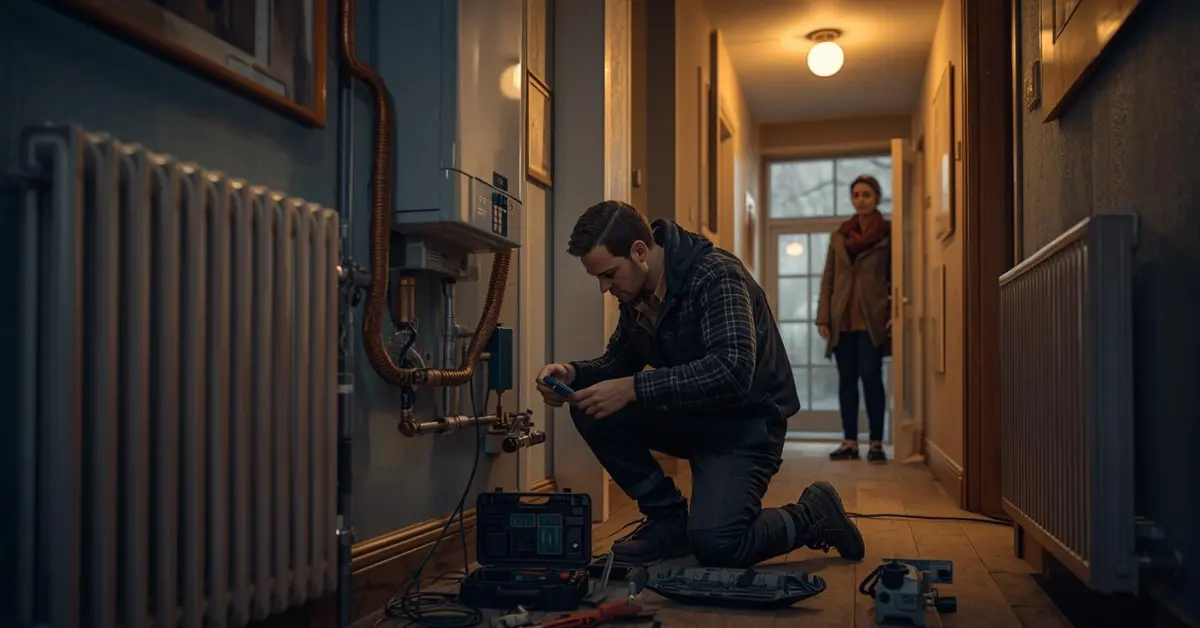
A good heating maintenance service is usually straightforward. It starts with a proper inspection of your system, followed by any necessary cleaning, adjustments, or repairs.
Step 1: System inspection
The engineer will first look over the main parts of your heating system. This includes the boiler, controls, radiators, pipework, and any visible signs of wear or damage.
Step 2: Testing performance
The system is then tested to see how it is operating. This helps identify weak spots such as pressure issues, heating delays, or parts that are not performing as they should.
Step 3: Servicing and adjustments
If something needs attention, it can often be cleaned, adjusted, or repaired during the visit. This may include checking for blockages, bleeding radiators, correcting pressure, or replacing worn parts.
Step 4: Advice and next steps
A good heating engineer will also give you practical advice. That might include tips on improving efficiency, how often to book maintenance, or whether any part of the system needs closer attention in future.
Signs Your Heating System May Need Attention
Sometimes the signs are clear. Other times, the system is slowly getting worse without you noticing straight away. Knowing what to watch for can help you act early.
Common warning signs include:
- Radiators taking longer to heat up
- Rooms heating unevenly
- Strange noises from the boiler or pipes
- Pressure dropping often
- Higher energy bills without a clear reason
- Hot water taking longer than usual
- Frequent resetting or boiler lockouts
If you notice any of these issues, it is worth arranging a professional check before the problem gets bigger.
How Regular Maintenance Helps Lower Energy Costs
Energy prices matter to every household. While no one can control the weather, you can take steps to make your heating system work more efficiently.
Cleaner, smoother operation
When a heating system is dirty, blocked, or out of balance, it needs more energy to do the same job. Regular maintenance helps the system run more smoothly, which can reduce wasted energy.
Better heat distribution
If your radiators are not working evenly, some rooms may overheat while others stay cold. That often leads people to turn the heating up more than needed. Proper maintenance helps improve heat distribution across the home.
Fewer repeated problems
A system with recurring faults tends to cost more over time. Regular maintenance helps reduce those repeated callouts and keeps the system in better shape for longer.
Greater control
With well-maintained controls, thermostats, and heating settings, you have more control over how your home is heated. That makes it easier to avoid unnecessary energy use.
Practical Tips to Keep Your Heating System in Good Shape
There are some simple things you can do between professional visits to help keep your system running well.
Do these things
- Check your boiler pressure from time to time
- Keep radiators clear so heat can move around the room properly
- Bleed radiators if they have cold spots at the top
- Set your thermostat to a sensible level
- Listen for unusual banging, whistling, or gurgling noises
- Book maintenance before the coldest months arrive
Avoid these mistakes
- Ignoring small heating problems
- Leaving servicing too long
- Blocking radiators with furniture or thick curtains
- Constantly turning the system on and off
- Assuming higher settings will always heat the home faster
Small habits can make a big difference over time. A little attention now can help you avoid trouble later.
Real-Life Example: Why Maintenance Saves Trouble
Imagine your boiler is still working, but the radiators are not heating as quickly as they used to. You might not think much of it at first. You just turn the thermostat up a little higher and carry on.
But over time, that small change can become costly. The system works harder, the bills creep up, and the room still never feels quite right. Then, when winter arrives properly, the boiler fails altogether.
With regular heating maintenance, this kind of issue is far more likely to be picked up early. A simple check and service can often prevent a larger repair, save money, and keep your home warm when it matters most.
Helpful Insights: Do’s and Don’ts
A good heating system does not just rely on the equipment itself. It also depends on how you look after it.
Do
- Arrange regular maintenance
- Keep an eye on pressure and heating performance
- Respond quickly to warning signs
- Use your heating system sensibly
- Choose a local company with real experience
Don’t
- Wait until the system stops working
- Ignore unusual smells or noises
- Try to guess at serious faults
- Put off servicing because everything “seems fine”
- Assume a minor problem will sort itself out
The systems that last longest are usually the ones that are looked after properly.
Why Choose Home Heating Services Scotland?
At Home Heating Services Scotland, we provide practical, dependable heating support for homes across Perth and throughout Scotland. We know that when your heating is not performing properly, you want clear advice, honest service, and a job done right.
Our Heating System Maintenance Services in Scotland are designed to help you keep your home warm, safe, and efficient without unnecessary stress. We focus on careful checks, reliable workmanship, and straightforward communication so you know exactly what is happening with your system.
Whether you are trying to reduce energy costs, avoid breakdowns, or simply keep your heating in better condition, we are here to help with a service that puts your comfort first.
Conclusion
Heating system maintenance is one of the simplest ways to protect your home and control your running costs. It helps your system work more efficiently, reduces the chance of breakdowns, and gives you confidence that your heating is ready for the colder months.
If you live in Scotland, regular care is especially important because your system works harder for longer. A well-maintained boiler and heating setup can save money, reduce stress, and keep your home comfortable throughout the year.
When you choose professional Heating System Maintenance Services in Scotland, you are not just booking a check-up. You are making a smart choice for your home, your budget, and your peace of mind.
FAQ
How often should heating system maintenance be done?
Most heating systems should be checked and serviced once a year to stay in good working order.
Can maintenance really lower my energy bills?
Yes, a well-maintained system usually runs more efficiently, which can help reduce wasted energy and running costs.
What are the signs my heating system needs servicing?
Uneven heating, strange noises, pressure drops, and rising energy bills are all common signs.
Is heating maintenance useful for older systems?
Yes, older systems often benefit even more because regular checks can help catch wear and tear early.
Do you cover Perth and surrounding areas?
Yes, Home Heating Services Scotland provides heating services in Perth and across wider areas in Scotland.